
Polestar 2026 Batteries: Moonbase Notes on Electric Pulse
The Earth from the lunar window
Reporting from the first civil base on the Moon, where silence hums louder than engines ever did, I find myself thinking about power—not rockets, but batteries. Back on Earth, has been quietly perfecting the heartbeat of its cars, and by 2026, it feels less like engineering and more like mythology.
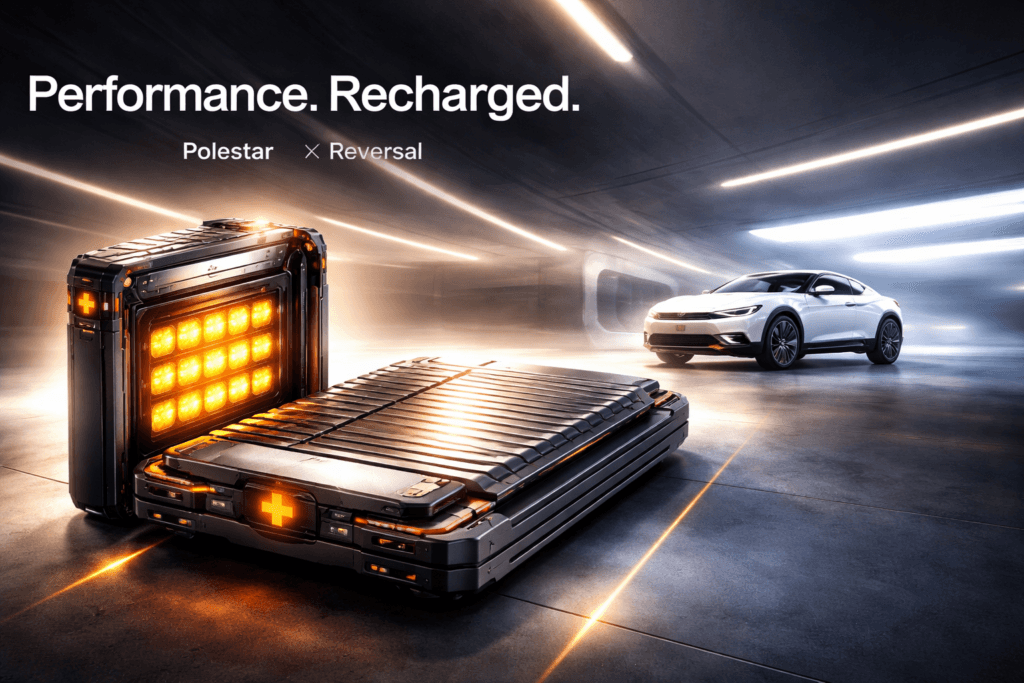
Polestar batteries in 2026
Polestar batteries aren’t just cells stacked in neat geometry—they’re philosophy encoded in lithium. Built on next-gen architectures, they lean into higher energy density, faster charging curves, and thermal intelligence that almost feels sentient. The evolution traces back to a shared DNA with Volvo roots, but Polestar diverged, chasing purity: minimalism outside, complexity within.
What fascinates me (yes, even from lunar dust) is their structural battery integration. Instead of dead weight, the battery becomes part of the chassis—stronger, lighter, smarter. It’s like turning bones into muscle. Range stretches beyond 600 km in some models, but numbers feel secondary. It’s the efficiency curve, the way energy flows like a well-written sentence.
Legend says early Polestar engineers obsessed over Scandinavian winters—cold, brutal, unforgiving. Batteries had to survive that. So they built systems that precondition, adapt, think ahead. Now those same systems would probably handle Moon shadow zones just fine.

Fun fact from orbit: Polestar experiments with traceable materials and blockchain-backed sourcing. Even here, far from Earth’s noise, that matters. Clean energy isn’t just about motion—it’s about origin.
So from this quiet outpost, watching Earth glow blue, I’d say this: Polestar didn’t just build batteries. They built trust in stored energy. And somehow, that feels like the real revolution.